


Has your skin been feeling uncomfortably tight this winter, even though you’ve been regularly moisturizing it? There could be a few different reasons for that…
Keep reading as Lavelier explores the various causes of winter skin tightness, along with how you may need to adjust your moisturizing (and wider skincare) efforts to account for this.
Your Skin Lacks Water
Dehydration, which is when your skin cells don’t have access to enough water, is one of the most common causes of winter skin tightness. Many assume that moisturizing prevents dehydration, but this isn’t always the case.
While many moisturizers do contain hydrating ingredients, the main purpose of a moisturizer is to create a seal over the skin’s surface. This locks moisture into the skin by preventing it from evaporating away.
However, if your skin lacks moisture, then no matter how good your moisturizer may be, there won’t be enough water in your skin for it to trap in. It will still form its seal as usual and give the surface of your skin a softer and more supple finish, but below this, your skin cells will still be thirsty, leading to that tight and uncomfortable feeling.
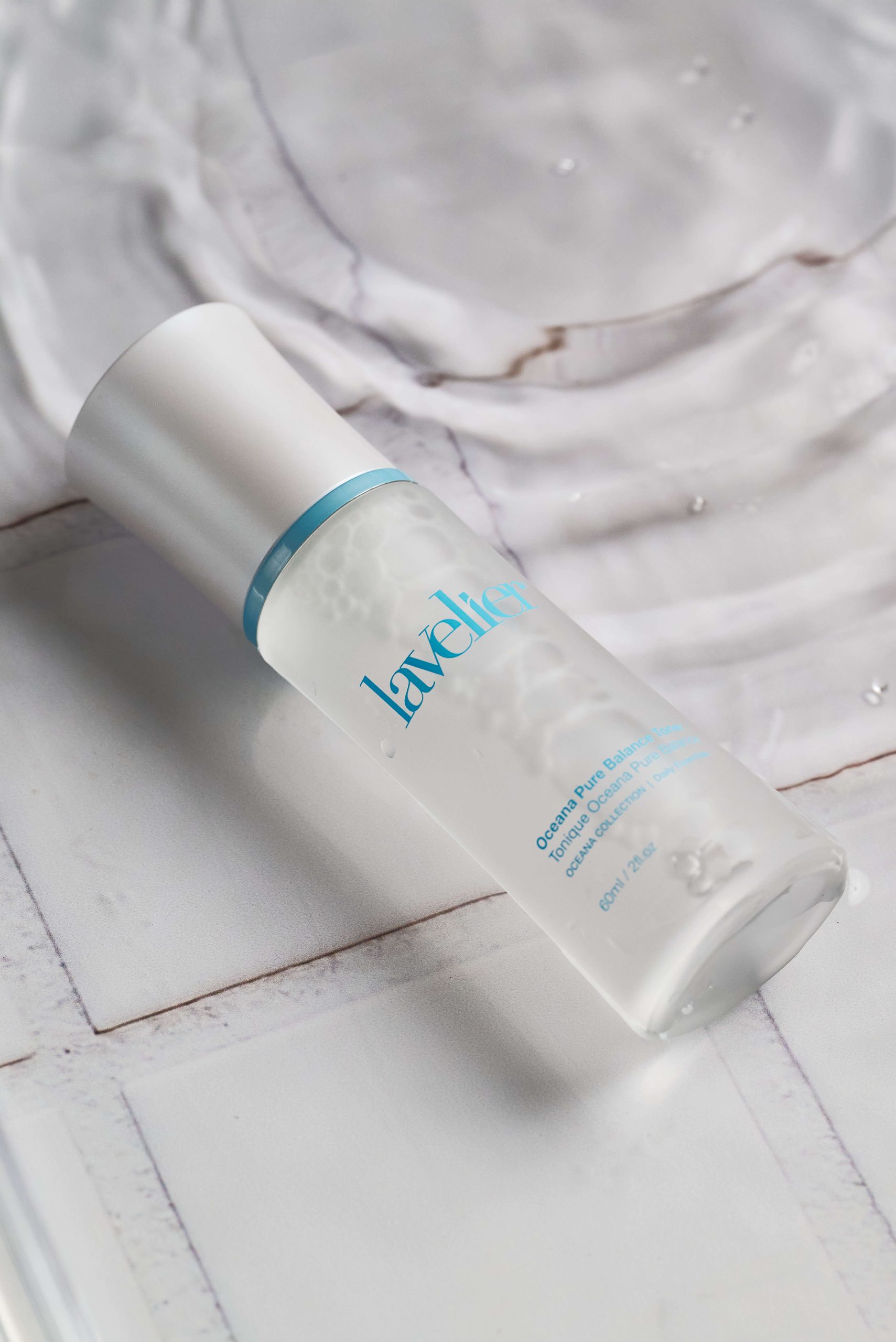
The solution? Give your skin some extra moisture before you moisturize. The most effective way to do this is to layer hydrating ingredients onto your skin underneath your moisturizer. Start with a hydrating toner, like the Lavelier Oceana Pure Balance Toner, and then follow up with a hydrating serum, such as the Seagrass Instant Glow Serum from the Lavelier Seagrass Refreshing Regimen. This will boost your skin’s moisture levels, ensuring that there’s more moisture around for your moisturizer to lock in.
Your Moisturizer Isn’t Rich Enough For Winter
Are you still using the same moisturizer that you used in the summer or fall? If so, this could be the reason behind your winter skin tightness.
Dermatologists always recommend switching to a different moisturizer once winter rolls in. This isn’t just a marketing ploy so that they can sell you some extra products – there’s a solid purpose behind this advice. The air in the winter is much drier. This means that it pulls moisture out of the skin at a faster rate. The seal that a moisturizer forms, which we talked about above, prevents this to an extent. However, if your moisturizer isn’t rich enough, that seal won’t be thick enough. It won’t be much of a match for the dry air around you. Instead, it will still allow plenty of moisture to escape. This can then make it seem as though your moisturizer isn’t doing its job properly, when really it’s the wrong moisturizer for the job at hand.
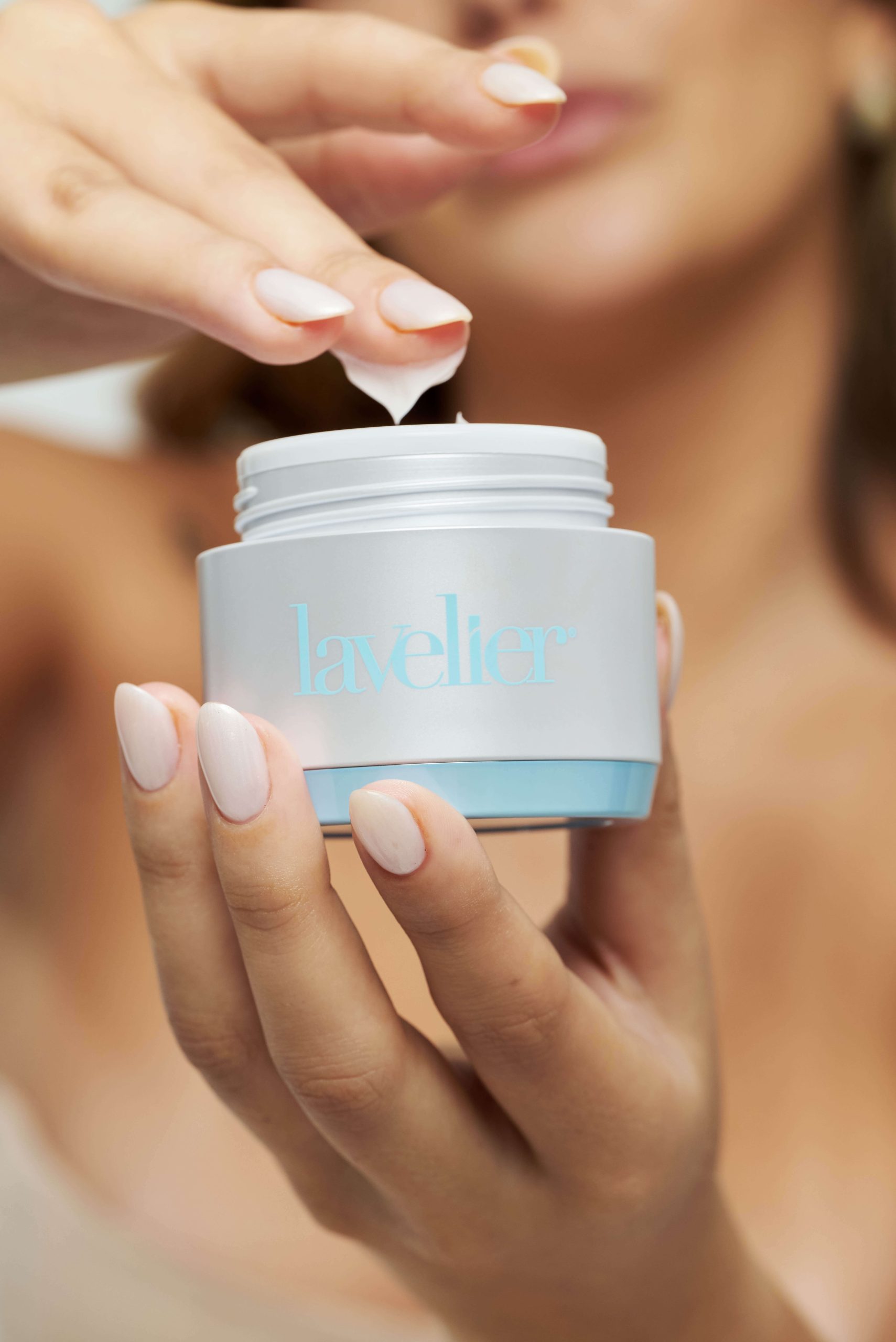
Switching to a richer moisturizer is the best way to get around this problem. Look for creams that contain a variety of plant oils and butters – not only do they securely lock moisture in, but they also provide an array of antioxidants. The Lavelier Oceana Restorative Night Moisturizer, which combines shea butter, sweet almond oil, and jojoba seed oil with vitamins and potent plant extracts, would be a great choice for a winter skincare routine. Although it’s designed for nighttime use, it’s great for dry skin in the daytime as well.
You’re Moisturizing at the Wrong Time
As we mentioned earlier, giving your skin some extra moisture will enable your moisturizer to lock more hydration into your skin. However, if you don’t act quickly enough, your efforts will be in vain…
With the dry air pulling moisture out of the skin at such a rapid rate in the winter, this begins to occur pretty much immediately after you’ve applied your hydrating toners and serums. Yes, it’s important to give each of your skincare products some time to absorb into your skin before following on with the next, but too much time could mean that you’ve lost the majority of those hydrating ingredients before your moisturizer has had the chance to lock them in.
So, how should you be timing things? Ideally, apply your moisturizer while your skin is still damp from the serum that’s applied before. This will ensure that there’s plenty of moisture left on your skin’s surface for your moisturizer to seal in.
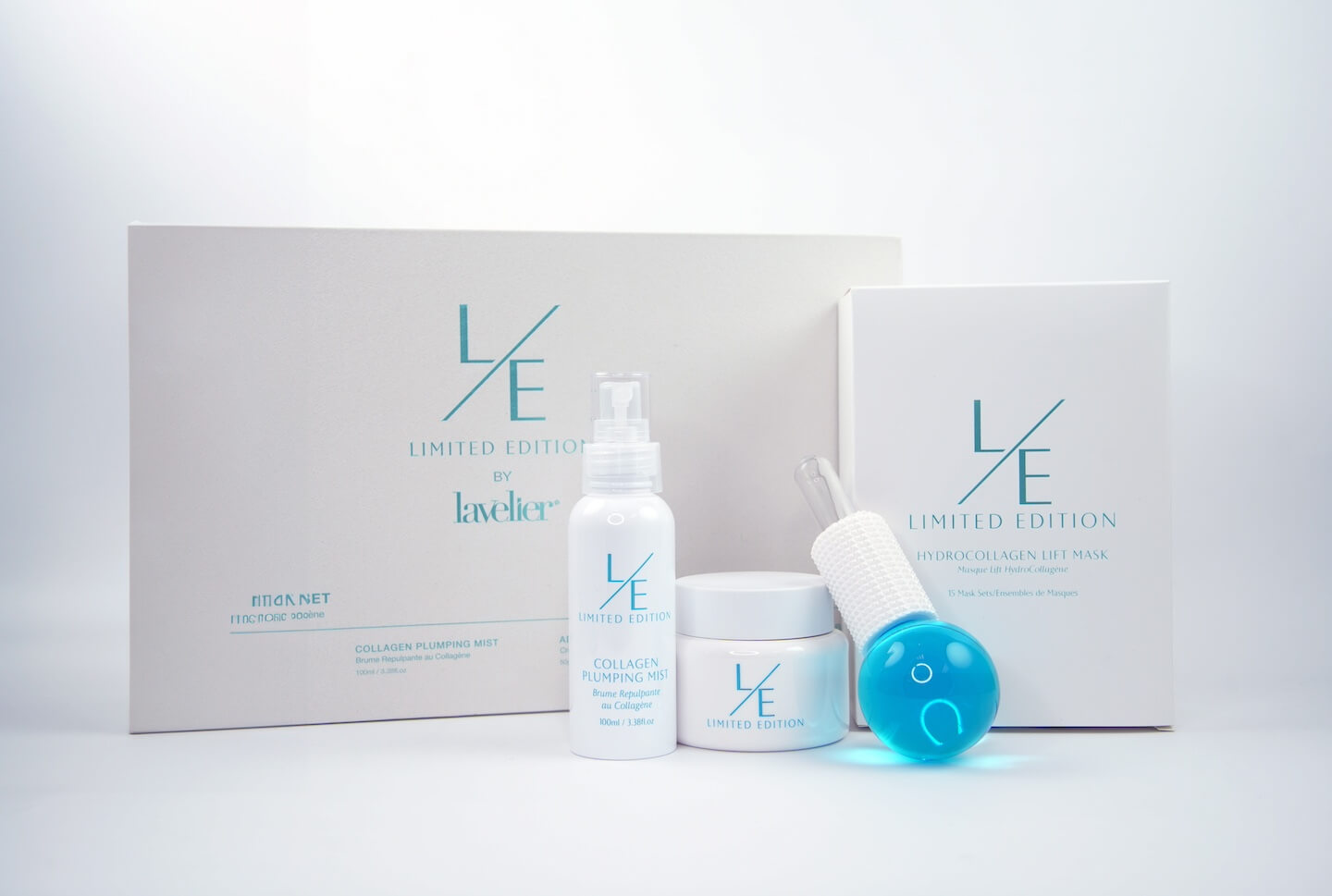
If you’ve accidentally waited too long and your skin has dried out, give it a spritz with a facial mist before moisturizing. The Collagen Plumping Mist from the Collagen Cooling Set is great for this. It’s brimming with super-hydrating ingredients, making it perfect for sandwiching some extra moisture into your skincare routine.
Your Moisturizer Has Expired
Most people are aware that all skincare products have an expiration date. However, with these dates often being a couple of years away from when a product is opened, remembering to stay on top of those use-by dates can be tricky.
It may not seem like a big deal to use an expired moisturizer. However, this small action can have surprising consequences. Ingredients deteriorate over time, meaning that those same rich moisturizing ingredients that kept your skin quenched one or two years ago won’t work to the same effect once a certain amount of time has passed. Worse still, some active ingredients can actually oxidize over time. Apply these ingredients to your skin, and they could end up triggering free radical damage.
Even if your moisturizer is still technically in-date, keep in mind that improper storage methods could cause it to expire sooner than it should. Exposure to air, light, heat, and bacteria speeds up how quickly a skincare product deteriorates. This can sometimes affect its appearance, smell, or texture. However, this isn’t always the case, which is why you need to remain vigilant.
If you’ve been using the same moisturizer for a significant amount of time, swapping it for a fresh jar could be exactly what’s needed to kick your moisturizer back into action and finally tackle that winter skin tightness.
You Aren’t Properly Cleansing Before Moisturizing
It’s so important to cleanse your skin before applying any skincare products. This isn’t solely to save your skin from the free radical damage that can be caused by deep-seated impurities. It also ensures that your skincare products have an easy path to your skin cells. They won’t need to first fight through layers of dirt, oil, and other impurities. This is why cleansing your skin at the start of your routine can really help with absorption.
If you aren’t cleansing thoroughly enough, the absorption of your skincare products will be hindered. This applies to the absorption of your moisturizer too. It won’t be able to access the surface layer of your skin and will instead sit atop the layer of grime that hasn’t been cleansed away.
With that said, cleansing needs to be done carefully in the winter. Your skin barrier is much more delicate at this time of the year. This means that over-cleansing (which, as we’ll soon discuss, can also cause winter skin tightness) needs to be avoided at all costs.
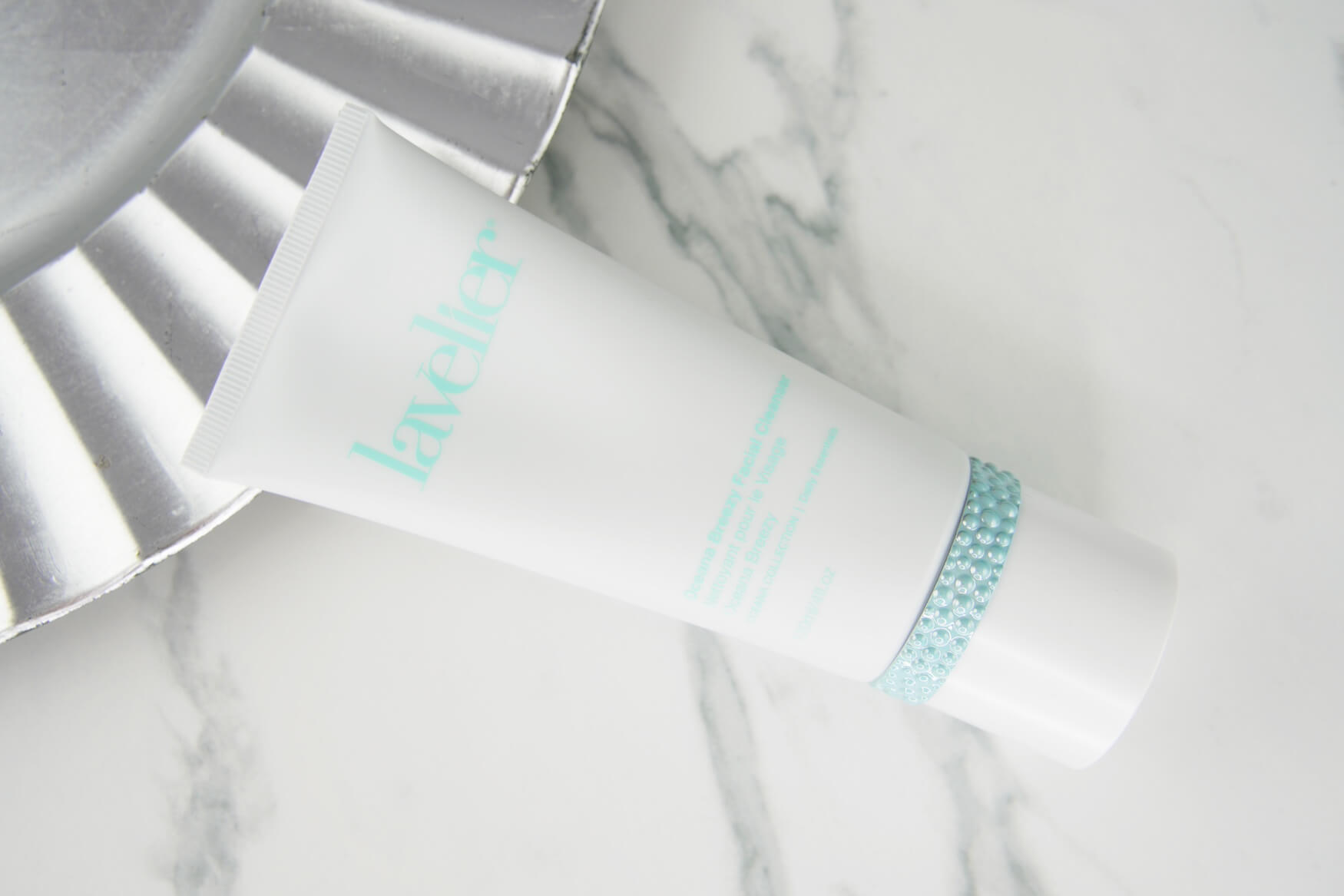
What’s the solution? A cleanser that’s efficient yet kind to the skin, just like the Lavelier Oceana Breezy Facial Cleanser. This sulfate-free formula will thoroughly cleanse your skin without stripping away your skin barrier, enabling the moisturizer you then apply to effortlessly sink into your skin.
You Haven’t Exfoliated in a While
Even if you cleanse twice a day, you won’t be able to completely prevent impurities from delving into your pores. This can build up over time, not only contributing to a dull appearance but also preventing your skincare products, including your moisturizer, from working properly. This is why exfoliation is considered to be such an essential part of skincare.
While it’s true that the skin needs to be exfoliated less in the winter than it does in the summer, you should still be exfoliating regularly. If you haven’t exfoliated in a while, then pore blockages could be why your moisturizing efforts aren’t making a difference to your tight-feeling skin.
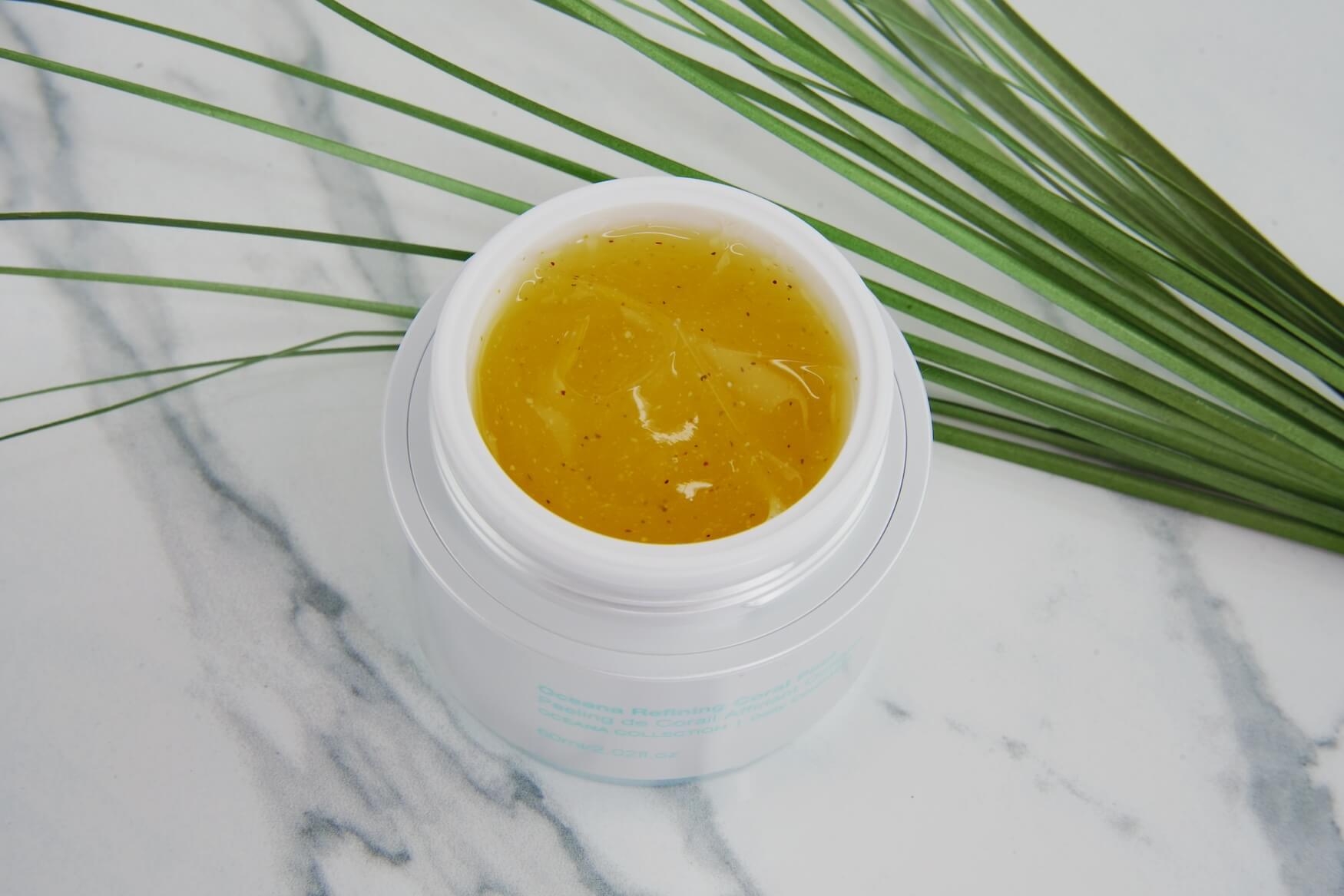
Just like when choosing a cleanser, go for a gentle winter exfoliator. Aggravating your skin barrier by over-exfoliating isn’t going to help in any way. Pick a formula that gets the job done efficiently while also bestowing the skin with hydrating ingredients, which is exactly what the Lavelier Oceana Refining Coral Peel has been designed to do.
You’re Over-Cleansing/Over-Exfoliating Before Moisturizing
While regularly cleansing and exfoliating your skin is essential if you want your moisturizer to be able to counter the feeling of winter skin tightness, going to the other extreme by over-cleansing or over-exfoliating will only do more harm than good.
One of your skincare priorities in the winter should be to preserve the integrity of your skin barrier. If your skin barrier ends up compromised in any way, a number of problems can occur. One of these is the winter skin tightness you’re experiencing. If this is down to a damaged skin barrier, it won’t matter how much you moisturize. Your skin will quickly feel tight again.
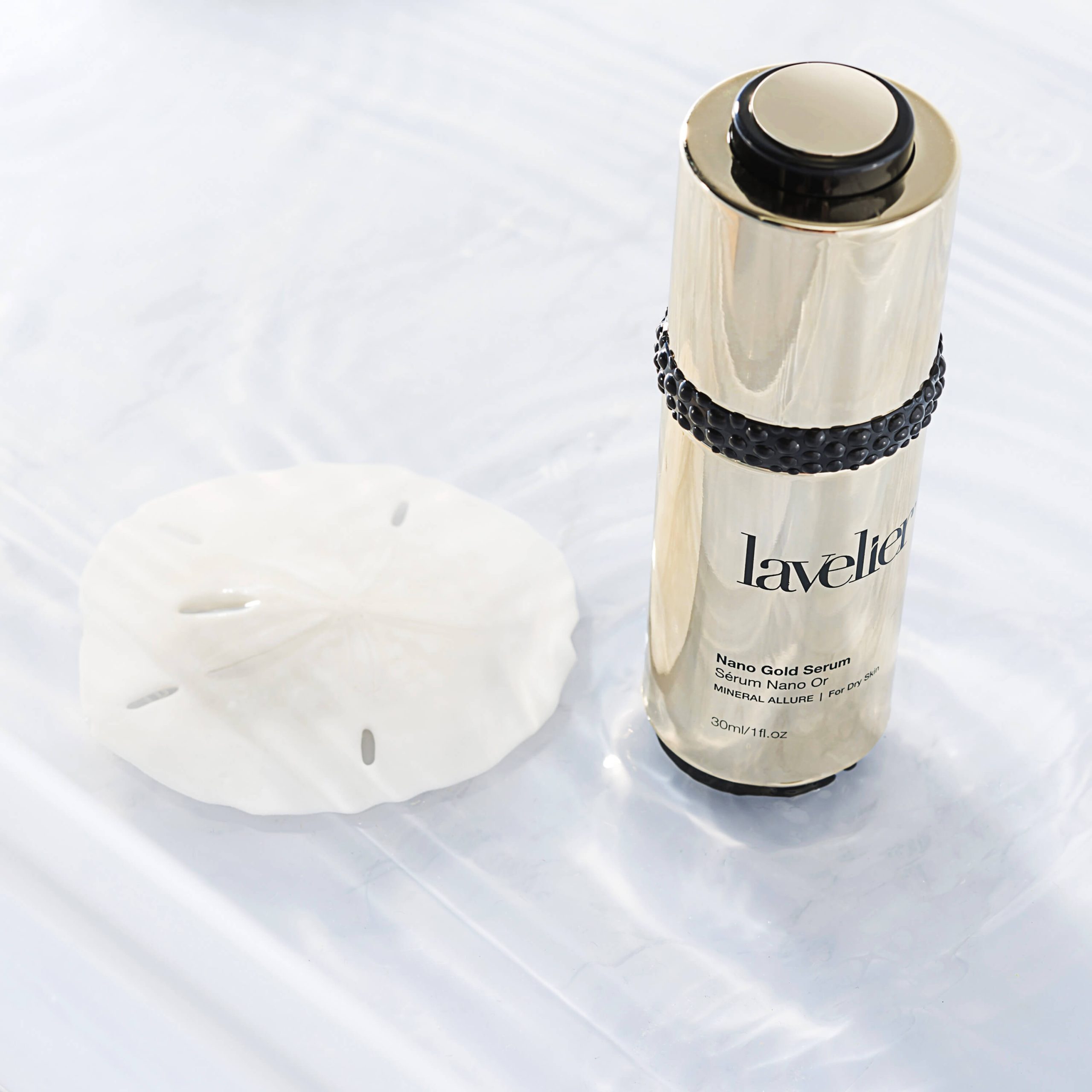
What can you do about this? Focus your skincare routine on barrier repair. Seek out skincare products that leave the skin barrier feeling stronger and better supported, like the Lavelier Nano Gold Serum. Giving your skin barrier the care that it needs will also help it to feel more receptive to the skincare products you apply.
Overcoming Winter Skin Tightness
As common as tight-feeling skin in the winter may be, it’s not an enjoyable problem to experience. The key to overcoming it is figuring out why your skin is feeling this way. Once you’ve identified the cause of the issue, it won’t take long for you to turn things around for your skin, resulting in a complexion that feels buttery soft and radiantly bouncy!
Click here to supercharge your winter skincare routine with more bestselling products from Lavelier.
0 comments on “Why Winter Skin Often Feels Tight, Even When You’re Moisturizing”